A CK SAFARIS FIELD JOURNAL
Why These Parks?
Every forest has a story. These are the ones we choose to share.
We choose forests for the opportunities they give us to look more closely: to see an animal in its habitat, understand what it is doing and come home with a photograph that tells more of the story.
Kabini / Nagarahole
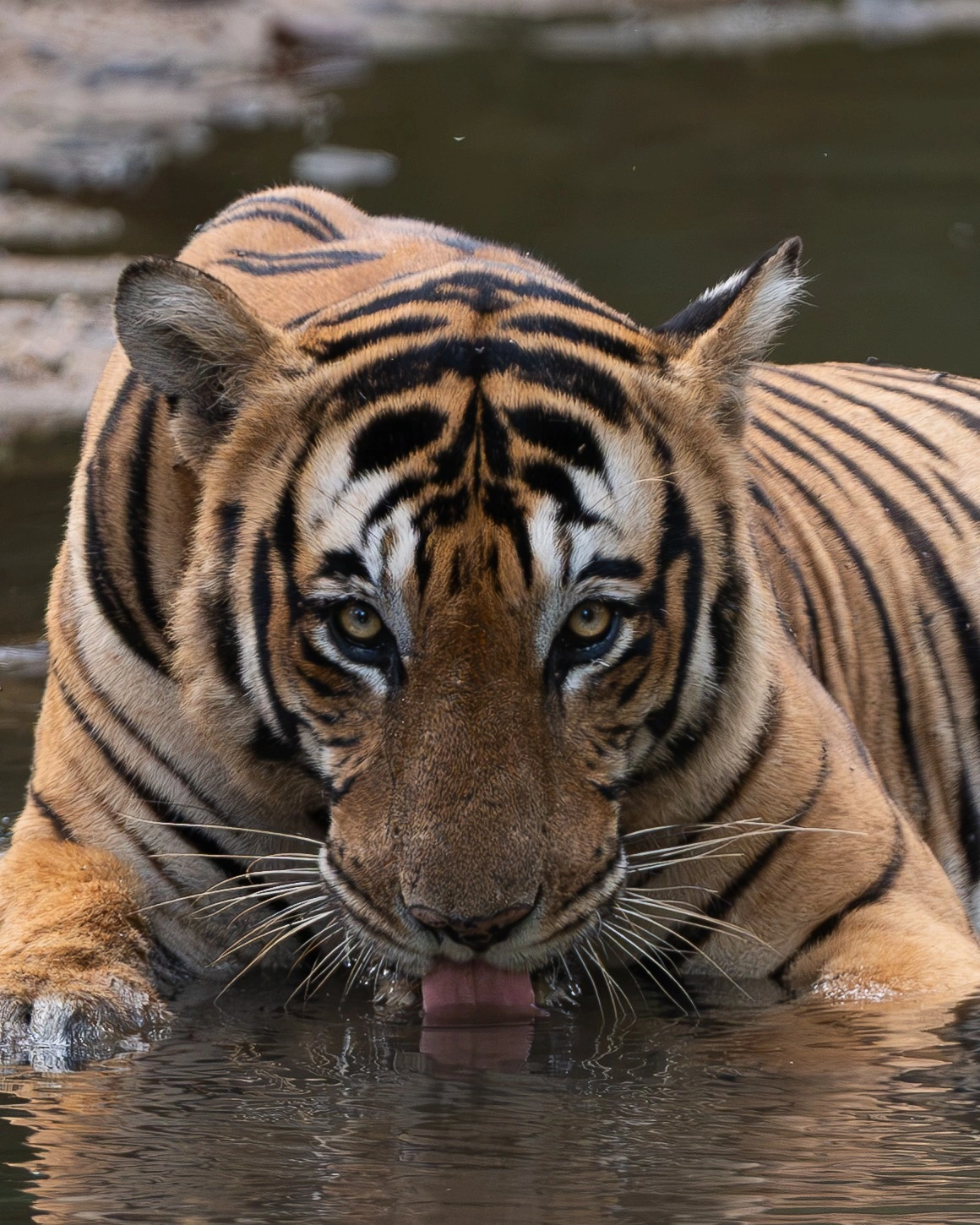
Where the forest meets the water
Kabini is the waterside gateway to Nagarahole, where the reservoir meets woodland and grassy forest clearings. Wetter forests to the west give way to drier woodland towards the east. The changing waterline and forest edge make room for photographs that show an animal in its surroundings.
How it became protected
The area became a wildlife sanctuary in 1955 and a national park in 1983. The park covers about 643 km²; the National Tiger Conservation Authority lists 643.35 km² of core tiger habitat and 1,205.76 km² for the tiger reserve including its buffer. Kabini is the river and reservoir landscape, not a separately designated national park.
What to watch for
Elephants, gaur and deer share this connected Nilgiri landscape with tigers, leopards and dholes. White-throated kingfishers and crested serpent eagles are worth watching for. We begin here because water, shade and open space invite different ways to tell a wildlife story.
Explore an expedition: Predator Trail · Wild South Signature
Reserve profile · Official area / history · Wildlife reference
Bandipur
Where the forest begins to speak
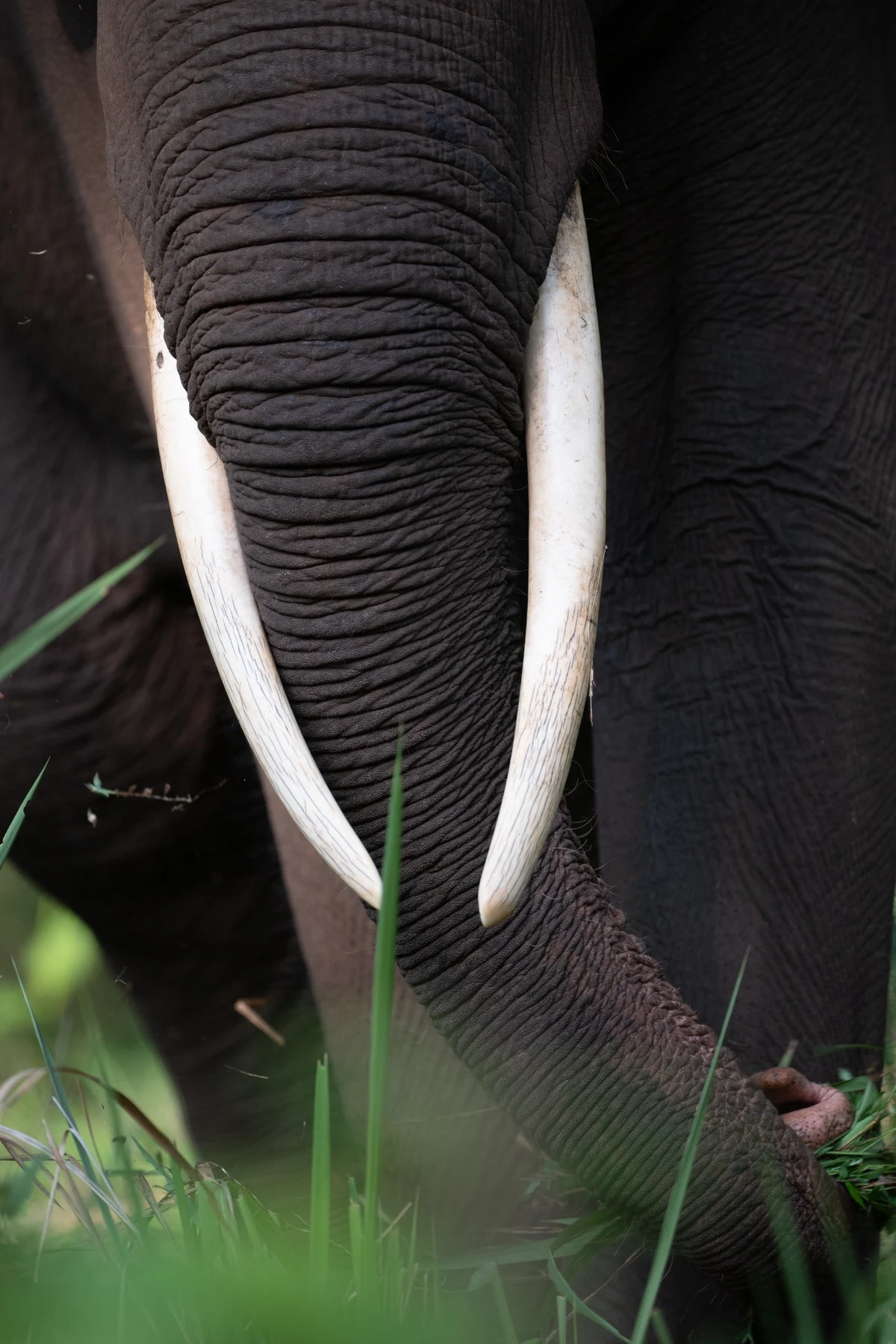
Dry woodland, scrub and grassy openings give Bandipur a different rhythm. A track disappearing into the trees or a shift in an elephant’s posture can tell as much of a story as a close portrait. We return to the forest over several outings so there is time to read those changes.
How it became protected
Bandipur joined Project Tiger in 1973. Its national park was first notified in 1974; the final 2001 notification specifies 870.36 km². The Wildlife Institute of India’s reserve profile lists 1,469.69 km² including the buffer, a separate boundary from the national park.
What to watch for
Bandipur is part of the Nilgiri Biosphere Reserve and a connected habitat for tigers and Asian elephants. Leopard, gaur and spotted deer are among its other mammals. Watch for Indian peafowl in clearings and listen for woodpeckers in the woodland.
Explore an expedition: Predator Trail · Wild South Signature
Reserve profile · Official area / history · Wildlife reference
Bhadra
The wilderness beyond the familiar
In Bhadra, wooded hills and valleys meet a broad reservoir. The shoreline is an invitation to widen the frame: a bird changing direction, a reflection breaking in the water or a line of trees that puts a small subject in context.
How it became protected
Jagara Valley Game Sanctuary was established in 1951. Bhadra Wildlife Sanctuary was declared in 1974 at 492.46 km². It joined Project Tiger in 1998. NTCA’s reserve brief lists 500.16 km² of core habitat and 1,072 km² including the buffer; those figures describe the tiger reserve, rather than the original sanctuary boundary.
What to watch for
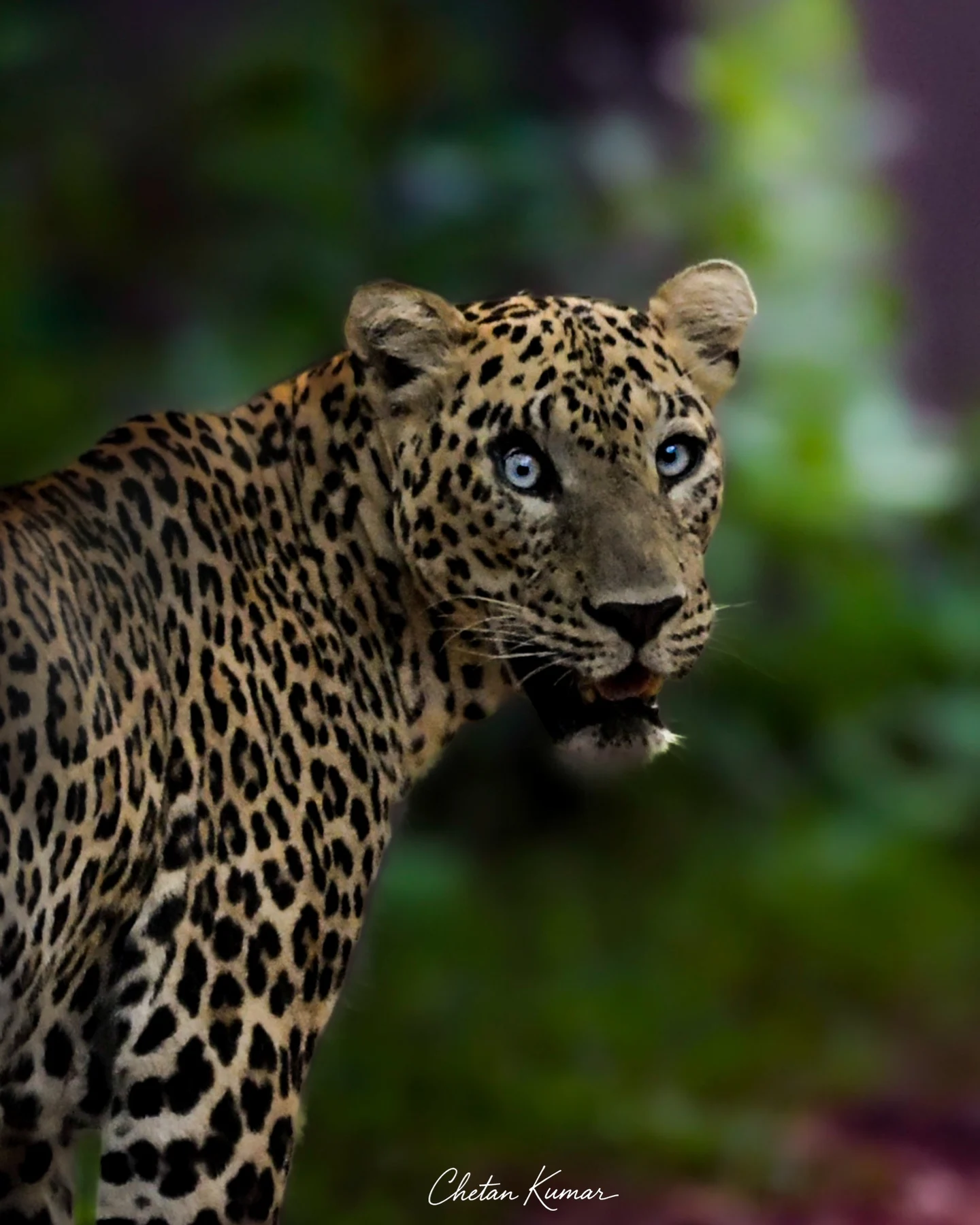
The Western Ghats catchment supports elephants, gaur, deer and elusive big cats. River terns, Malabar whistling thrushes and great hornbills bring a different set of photographic possibilities. We finish here to give birds, forest and water equal weight in the story. Nesting birds should be watched from permitted distances.
Explore an expedition: Wild South Signature
Reserve profile · Official area / history · Wildlife reference
Wildlife sightings and photographic opportunities depend on conditions, animal movement and the allocated route.